
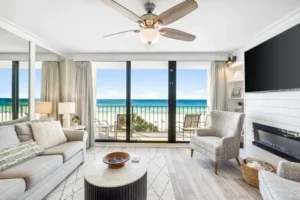
Buying one of the Condos for sale in Gulf Shores, Alabama, on the Beach is an exciting move. Whether you’re looking for a vacation getaway, a rental investment, or a permanent coastal home, the inspection process matters more than most buyers realize. Beachfront properties face conditions that inland homes simply don’t, and a standard walkthrough won’t catch most of them.
Here are 7 things every smart buyer should inspect before signing anything.
1. Balcony Railings and Concrete Integrity
The balcony is one of the first things buyers fall in love with, and one of the last things they think to inspect carefully. Salt air is brutal on concrete and metal over time. Look for hairline cracks in the balcony slab, rust staining along the edges, and any wobbles in the railings.
Spalling concrete, which is when the surface flakes or chips away, is a common issue in older beachfront buildings. Repairs can run into the thousands, and in some cases, entire balconies need to be rebuilt. Run your hand along the underside of the railing supports and press gently on any areas that look discolored.
2. HVAC Corrosion from Salt Air
Salt air doesn’t just affect surfaces you can see; it works on your HVAC system from the outside in. The condenser unit, usually located on the balcony or roof, takes the brunt of constant saltwater exposure. Corroded fins, rusted coils, and pitted metal casings are all signs that the unit is near the end of its life.
A replacement HVAC system in a condo can cost $4,000 to $8,000 or more. Ask when the current unit was installed, and have an HVAC technician inspect it specifically for salt corrosion, not just general function.
3. Sliding Door Tracks and Seals
Sliding glass doors in beachfront condos take constant punishment from wind, humidity, and salt. Check the track for warping or debris buildup that makes the door hard to open and close. More importantly, inspect the rubber seal around the door frame.
A failing seal lets in moisture and outside air, which raises energy bills and can lead to mold growth around the frame over time. Replacing seals and tracks sounds minor, but if the door frame itself has warped, you’re looking at a much bigger fix.
4. Window Frames and Hurricane-Rated Glass
Not all windows in beachfront buildings are impact-rated. In a coastal market like Gulf Shores, hurricane-rated windows are critical, both for safety and for insurance costs. Check whether the existing windows carry an impact-rated certification.
Also, inspect the window frames themselves for signs of water intrusion. Soft or discolored drywall directly below a window frame almost always points to a slow leak that has been going on for a while.
5. Plumbing Connections and Water Pressure
Older beachfront buildings sometimes have aging pipe connections that nobody has touched in years. Turn on every faucet, flush every toilet, and run the shower. Low water pressure can signal a partially closed valve or a pipe issue deeper in the building’s system.
Check under every sink for signs of moisture, staining, or soft cabinet floors. A slow drip left unchecked in a humid coastal environment leads to mold faster than it would in a dry inland home.
6. Electrical Panels and Outlet Condition
Salt air accelerates corrosion inside electrical panels and outlet boxes. Open the breaker panel if possible and look for rust, discoloration, or any signs of moisture inside the box. Corroded breakers can fail to trip when they should, which is a serious safety risk.
Check the outlets in the kitchen and bathrooms for GFCI protection. In a property this close to water, every wet area outlet should have ground-fault protection installed and functioning.
7. The Building’s Exterior Caulking and Sealant
Step outside and look at the exterior of the building where walls meet window frames, where pipes exit the structure, and anywhere two different materials come together. Caulk and sealant degrade in coastal climates much faster than in other environments.
Gaps in exterior caulking allow water to penetrate walls during heavy rain and storms. Water intrusion in the wall cavity leads to mold, rot, and structural damage that the building’s HOA may or may not address quickly.
Before You Buy, Make Sure You Have the Right Team Behind You
A beachfront condo in Gulf Shores is a genuinely exciting purchase. The lifestyle, the rental income potential, and the long-term value are all real. But so are the risks that come with buying in a salt air environment without checking the right things first.
Gulf Coast MO helps buyers navigate the condo for sale in Gulf Shores, Alabama, market with confidence. From reviewing HOA documents and flagging inspection red flags to negotiating the right terms before closing, Gulf Coast MO brings the kind of local expertise that protects your investment from day one. The right condo for sale in Gulf Shores is out there, and the right guidance makes all the difference in how that purchase goes.
FAQ: Buying Condos for Sale in Gulf Shores, Alabama
Q1. What is the most common hidden problem in condos for sale in Gulf Shores, Alabama, on the beach?
A1. Salt air corrosion is the most frequently overlooked issue. It affects HVAC systems, balcony railings, electrical panels, and window frames in ways that aren’t always visible during a casual walkthrough.
Q2. Do I need a specialized inspector for a beachfront condo in Gulf Shores?
A2. Yes. A general home inspector is a good start, but you should also consider hiring specialists for HVAC, electrical, and structural assessments, particularly given the unique coastal conditions these buildings face.
Q3. What is spalling concrete, and should it worry me in a beachfront condo?
A3. Spalling is when the surface of concrete chips, flakes, or crumbles, usually caused by moisture and salt penetration over time. In a beachfront building, it’s a serious sign of long-term deterioration and can indicate costly structural repairs ahead.
Q4. Are all condos for sale in Gulf Shores, Alabama, required to have hurricane-rated windows?
A4. Newer construction is generally required to meet current building codes that include impact-rated windows. Older buildings may have been grandfathered in. Always verify the window rating and check how it affects your homeowner’s insurance premium.
[9556]turbo6 Official Login | Trusted Online Slots Malaysia Fast Payout,turbo6 provides a secure platform for online slots in Malaysia. Access the official login or get the apk download for a seamless gaming experience. Join today! visit: turbo6
[6863]eg333 Official Login | সেরা অনলাইন ক্যাসিনো ও দ্রুত বিকাশ পেমেন্ট,eg333 এর অফিসিয়াল অ্যাপ ডাউনলোড করে সেরা অনলাইন ক্যাসিনো গেমস উপভোগ করুন। এখানে পাবেন দ্রুত বিকাশ পেমেন্ট ও সহজ স্লট গেম খেলার নিয়ম। আজই জয়েন করুন। visit: eg333
[19]we1win Official Login | Best Online Slots and Fast Payouts Malaysia,we1win offers a secure platform for app download and live baccarat. Experience a fast payout casino with the best games in Malaysia. Sign up and play now. visit: we1win
Finally found a way to get the app running without any glitches. The installation was a breeze and the experience is top notch. Check out 567winappdownloadapk if you want a seamless mobile setup.
[5377]888starz Official Login | সেরা অনলাইন ক্যাসিনো ও স্লট গেমস,888starz অ্যাপ ডাউনলোড করে সেরা অনলাইন ক্যাসিনো গেমসের অভিজ্ঞতা নিন। বিকাশ দিয়ে টাকা জমা করে সহজেই স্লট গেম শুরু করুন। আজই জয়েন করুন। visit: 888starz
Great experience so far. The gameplay is lag-free and the graphics are top notch. If you are looking for excitement, pk21pk is the place to be.
Great experience so far. Everything works exactly as expected and the local support is actually helpful. Glad I found phaaaph today.
The payout process is way faster than other sites I have used before. Very transparent and honest service. Glad I found idindowd.
Honestly the game variety here is insane. I spent the whole weekend exploring different rooms and didn’t get bored once. Highly recommend yono789game for anyone looking for real excitement.
Had a great run here last night! The variety of games is impressive and the customer support is actually helpful. Give phmwp88 a go, you won’t regret it.
Absolute game changer for me. The variety of rooms and the community vibe are just amazing. I spend most of my free time on vnhitclubpro now.
The login process is quick and the security feels solid. I appreciate how straightforward everything is without too much clutter. Glad I found 11ccbetlogin.
The variety of games here is honestly impressive. I spent a few hours last night exploring and the payouts feel fair. If you are into online gaming, definitely check out 007betgame.
Really impressed with the variety of games here. It feels very secure and the bonuses are actually generous. Big thanks to krsos888.
Super smooth gameplay and the interface is very user friendly. I had a bit of a lucky streak yesterday and the withdrawal was processed almost instantly. Highly recommend pk777zc to anyone looking for a reliable platform.